

Valley of Flowers & Hemkund Sahib: The Most Beautiful Trek in India
A UNESCO World Heritage valley that blooms for fourteen weeks a year, and the highest Gurudwara in the world four kilometres above it.
A valley that only exists for part of the year
Hidden in the lap of Uttarakhand there is a stretch of ground where flowers bloom at every step. This is the Valley of Flowers — and it is not a trek so much as a season you turn up for.
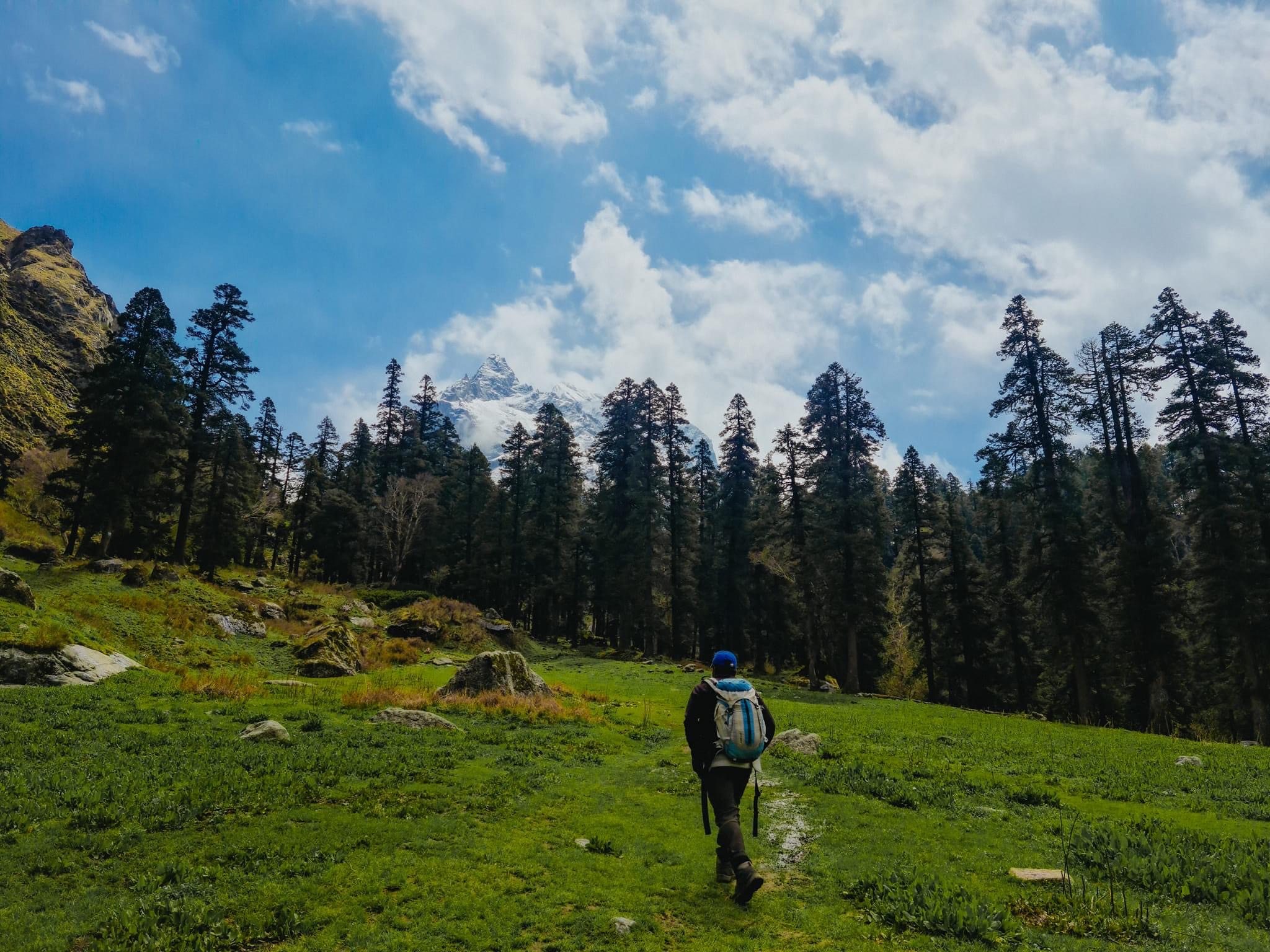
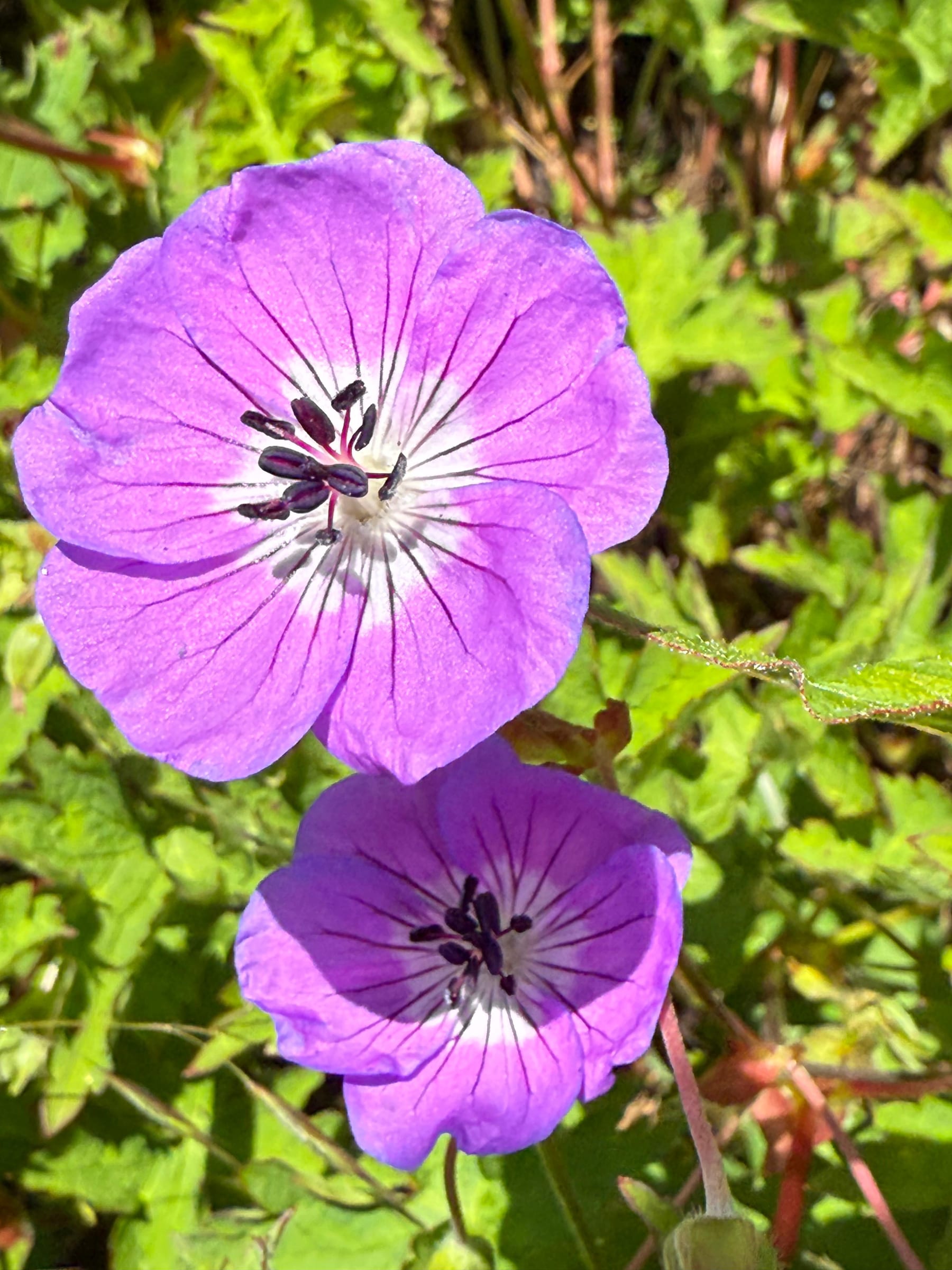
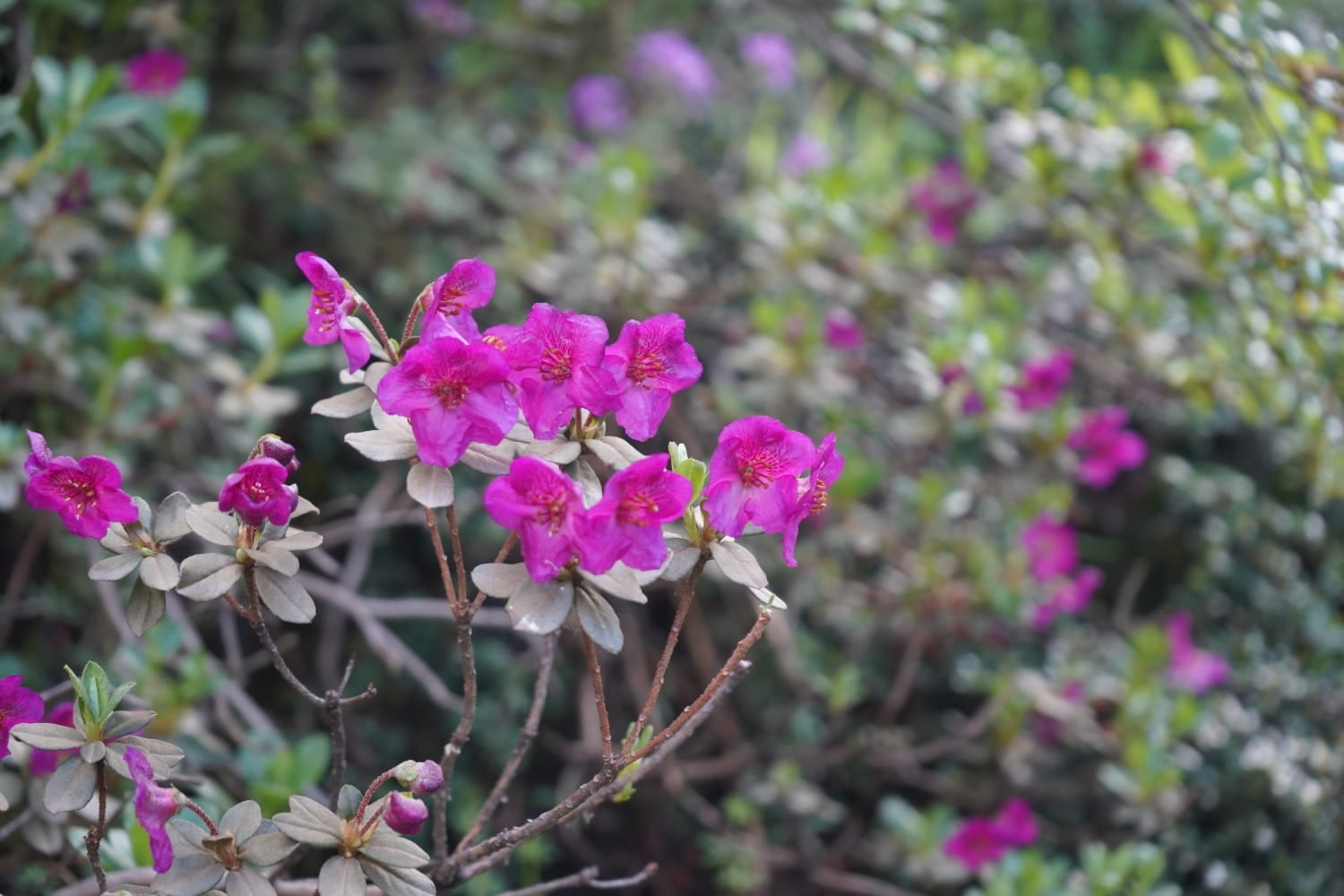
When you walk in from Ghangaria it looks as though someone has spread a coloured carpet over the earth. More than 500 species bloom together: Blue Poppy, Brahma Kamal, Cobra Lily, Himalayan Rose. The Pushpawati river runs through the middle, waterfalls come down the sides, and snow peaks close the far end.
It was found by accident. In 1931 the British mountaineer Frank Smythe came down off Kamet, lost his way, and walked into it. It has been a national park since 1982 and a UNESCO World Heritage Site since 2005.
And then Hemkund Sahib
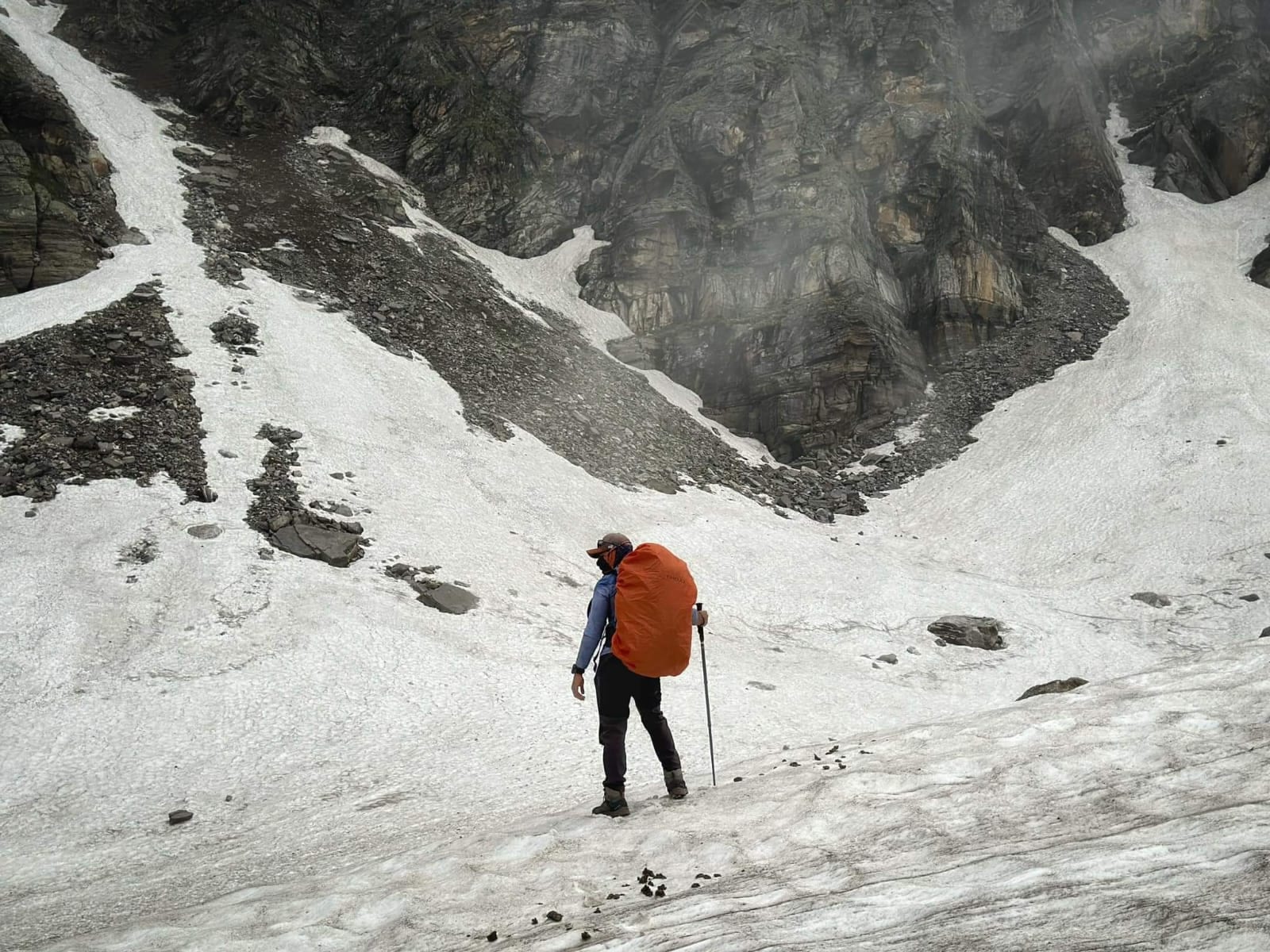
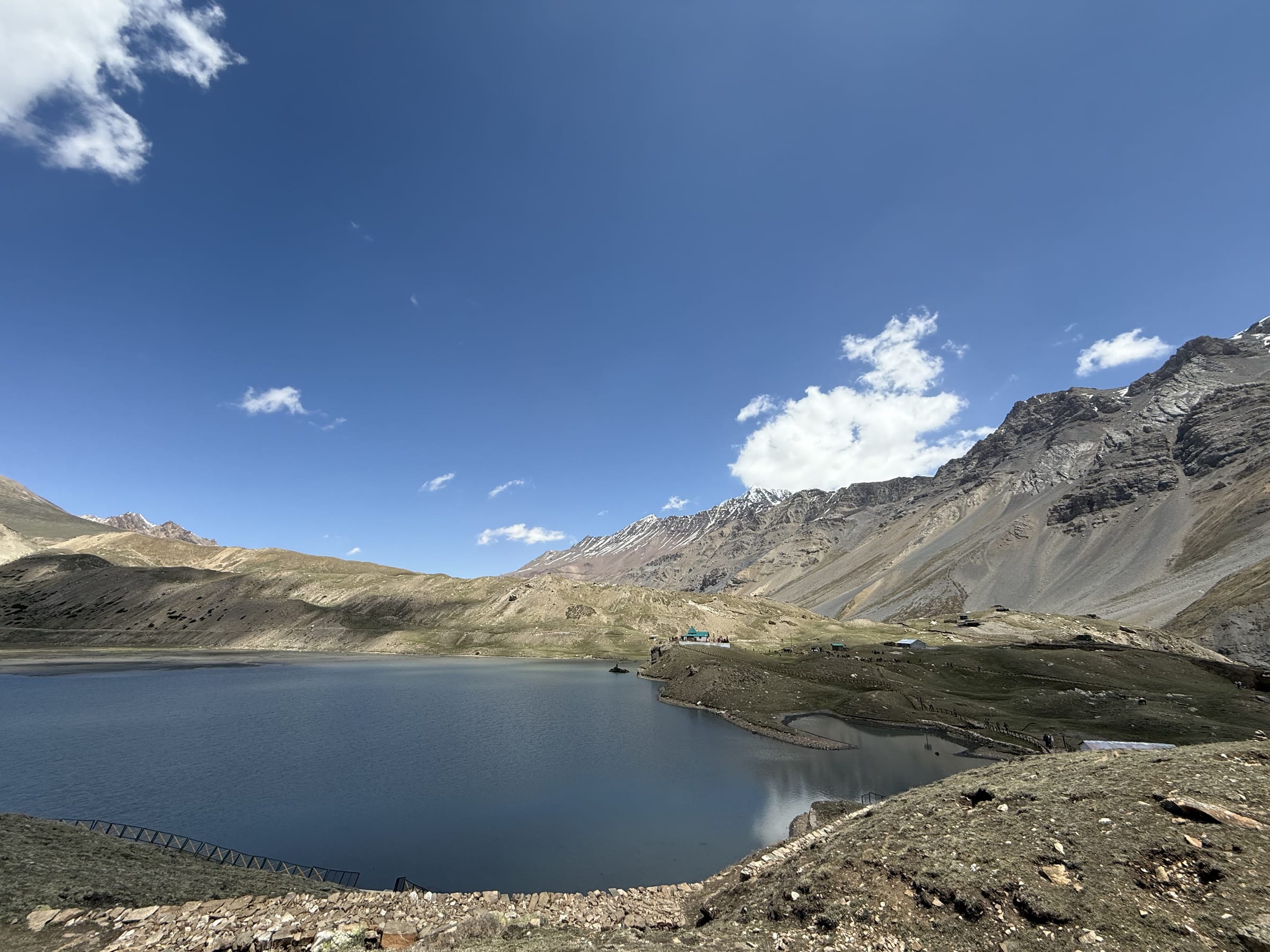
At 15,200 ft, ringed by seven peaks, Hemkund Sahib is the highest Gurudwara in the world. A glacial lake sits beside it, clear to the bed and cold enough to make the point.
Guru Gobind Singh Ji is believed to have meditated here in a previous birth. The 6 km climb from Ghangaria, with roughly 1,100 stone stairs in the upper half, is the hardest thing the trek asks of you. The langar at the top — hot khichdi, tea, kada prasad — is also the best meal of the week, for reasons that have as much to do with altitude as with cooking.
This is the only trek in India where nature and devotion sit four kilometres apart and you can walk both on consecutive days.
What the six days look like
Day 1 is a long road day from Rishikesh to Govindghat, 280 km down the Alaknanda past Devprayag, Rudraprayag and Karnaprayag. Day 2 walks 10 km up the Bhyundar valley from Pulna to Ghangaria at 10,000 ft, which becomes home for three nights.
Day 3 is the valley: in through the forest check post at 7 AM, 4 km to the meadows at 12,200 ft, the whole day inside, and out before the 5 PM gate time. Day 4 is Hemkund — up at 5:30 AM, 6 km of stairs, darshan and langar at 15,200 ft, back down by late afternoon.
Day 5 walks the 10 km back down to Pulna and drives to Pandukeshwar. Day 6 is the drive home, with Dhari Devi and the Devprayag Sangam on the way. 38 km of trekking in total.
Who this trek is for
If you can walk 10-12 km in a day and climb stairs for four or five hours, you can do this trek. There is no technical ground anywhere on it, which is why it works for first-timers, for families with children aged 8 and over, and for mixed-fitness groups.
What it does require is honesty about altitude. Hemkund finishes at 15,200 ft, and heart conditions, uncontrolled blood pressure, severe asthma, pregnancy, recent surgery and knee trouble are all reasons to do the valley day and sit the Hemkund day out. Nobody will think less of you; the valley is the better half anyway.
Book early, and come in the right fortnight
The valley is open for about three and a half months and in real bloom for far less. August is peak. Ghangaria has a small, fixed number of beds and no way to add more, so departures fill well before the season starts.
This is also a monsoon trek. The rain that makes the bloom also makes the trail slippery and the cloud low, so bring a proper raincoat, waterproof your bag, and treat a clear afternoon at Hemkund as a gift rather than a schedule.
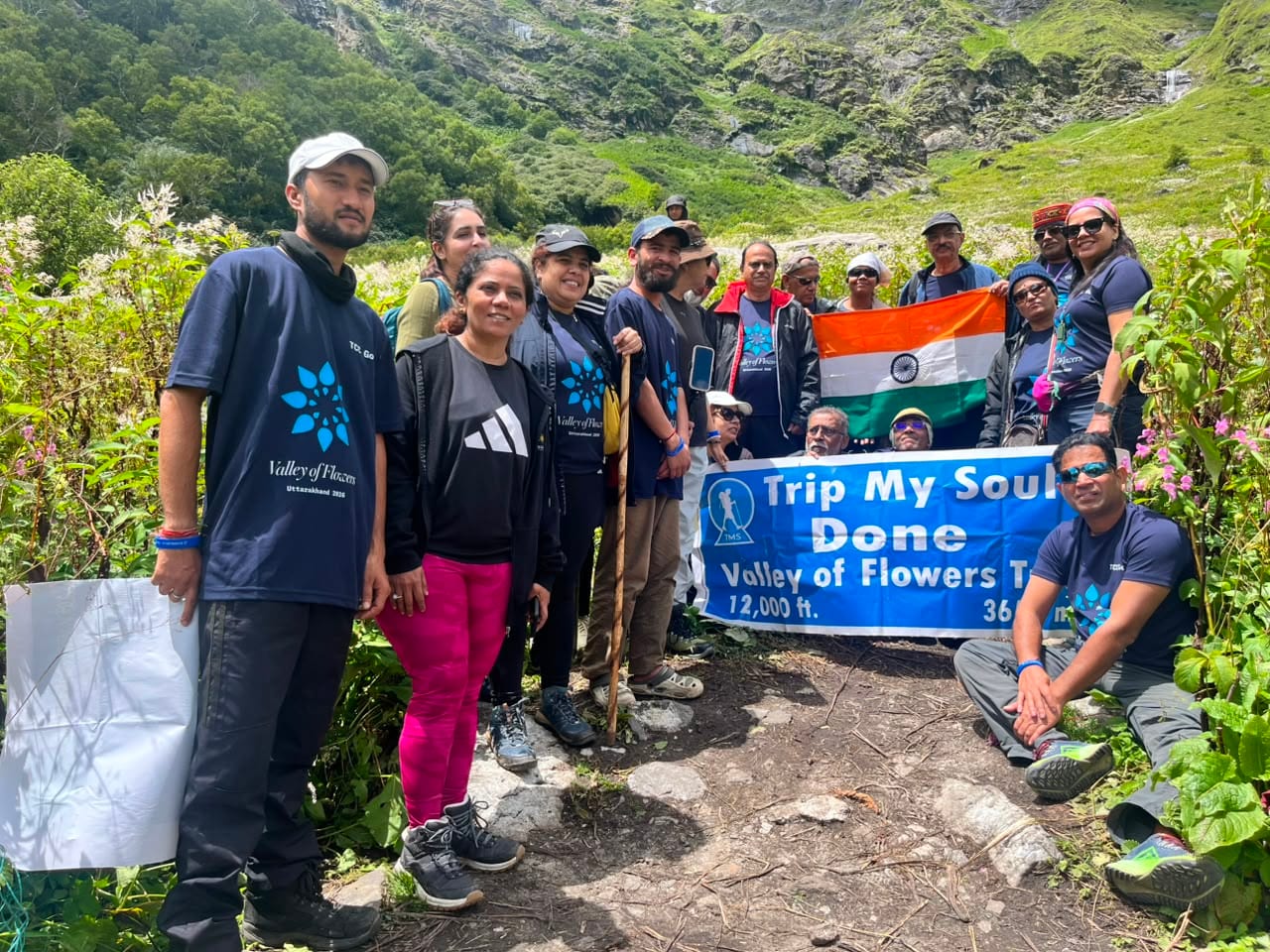
Trip My Soul runs daily Valley of Flowers and Hemkund Sahib departures from Rishikesh through the July to mid-September season.